How Long Does It Take to See Results from HBOT?
Hyperbaric Oxygen Therapy, commonly known as HBOT, is a medical treatment that helps the body heal by delivering high levels of oxygen in a pressurized chamber. Many patients and even referring providers often ask a very practical question before starting treatment. How long does it take to see results from HBOT?
The answer depends on several factors, including the medical condition being treated, the severity of symptoms, the number of sessions completed, and the overall health of the patient. This blog explains what general practitioners and patients should expect, using simple language and clear timelines.
How HBOT Works in the Body
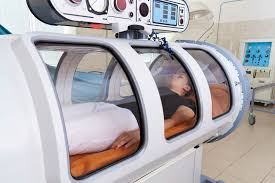
During Hyperbaric Oxygen Therapy, a patient breathes pure oxygen while inside a chamber that is pressurized higher than normal air pressure. This allows oxygen to dissolve directly into the blood plasma. As a result, oxygen reaches areas of the body where circulation may be poor or damaged.
Oxygen plays a key role in healing. It helps reduce inflammation, supports new blood vessel growth, improves immune function, and promotes tissue repair. These processes take time, which is why results from HBOT are often gradual rather than immediate.
Why Results Vary from Patient to Patient
There is no single timeline that applies to everyone. Some patients notice changes early, while others need multiple sessions before improvement becomes clear. The most common factors that influence how quickly results appear include:
- The condition being treated
- Acute conditions often respond faster than chronic ones
- Severity and duration of symptoms
- Number of HBOT sessions completed
- Patient age and overall health
- Lifestyle factors such as smoking, nutrition, and activity level
Understanding these factors helps set realistic expectations for both providers and patients.
Early Changes Some Patients Notice
For certain conditions, patients may notice subtle improvements within the first few sessions. These early changes may include reduced pain, decreased swelling, improved energy levels, or better sleep.
In wound care cases, providers may observe improved wound color, reduced drainage, or early signs of tissue growth. In neurological cases, patients may report clearer thinking or improved focus, although these changes are often mild at first.
It is important to note that early improvements do not mean treatment is complete. HBOT works by building cumulative benefits over time.
Typical Timeline for Acute Conditions
Acute conditions usually respond more quickly to Hyperbaric Oxygen Therapy because the underlying damage is recent and the body is already in an active healing phase.
For conditions such as carbon monoxide exposure, air embolism, or decompression sickness, improvement can occur within one to three sessions. In these cases, HBOT is often used as an urgent or emergency treatment, and benefits are closely monitored in medical settings.
For acute injuries like crush injuries or sudden loss of circulation, noticeable improvement may occur within five to ten sessions, especially when HBOT is started early.
Timeline for Chronic Wounds and Diabetic Ulcers
Chronic wounds are one of the most common reasons patients are referred for Hyperbaric Oxygen Therapy. These wounds often develop due to poor circulation, diabetes, or long standing inflammation.
Most patients with non healing diabetic foot ulcers begin to show measurable improvement after ten to twenty sessions. This may include reduced wound size, healthier tissue appearance, and improved response to standard wound care.
Full healing often requires twenty to forty sessions or more, depending on wound severity. HBOT is typically used alongside proper wound care, blood sugar control, and infection management.
Timeline for Radiation Tissue Damage
Radiation related tissue damage may develop months or even years after cancer treatment. These tissues are often oxygen deprived and slow to heal.
Patients receiving HBOT for radiation cystitis, radiation proctitis, or osteoradionecrosis usually begin noticing symptom relief after fifteen to twenty sessions. Improvements may include reduced pain, better bladder or bowel function, and improved tissue health.
Optimal results often require thirty to forty sessions, with benefits continuing even after treatment is completed.
Timeline for Neurological Conditions
Neurological conditions such as traumatic brain injury, post concussion symptoms, or certain types of stroke recovery tend to have a slower and more gradual response.
Some patients notice subtle changes such as improved focus, memory, or reduced headaches after ten to fifteen sessions. More noticeable functional improvements often occur after twenty to forty sessions.
Because brain healing takes time, progress is often measured over weeks rather than days. Consistency is especially important in these cases.
Timeline for Chronic Pain and Inflammation
Patients seeking HBOT for chronic pain, arthritis, or inflammatory conditions often ask how quickly pain relief will occur.
Many patients report reduced pain and stiffness after ten to twenty sessions. Improved mobility and decreased reliance on pain medications may follow with continued treatment.
Since chronic inflammation develops over long periods, sustained improvement usually requires a full course of therapy and ongoing lifestyle support.
Why HBOT Requires Multiple Sessions
Hyperbaric Oxygen Therapy is not a single treatment solution. Each session builds on the previous one by increasing oxygen availability and stimulating healing pathways.
New blood vessel growth, reduced inflammation, and tissue repair are biological processes that take time. Skipping sessions or stopping too early may limit results.
For most approved uses, treatment plans are developed based on clinical guidelines and adjusted based on patient response.
How Providers Monitor Progress
General practitioners and referring providers play an important role in tracking patient progress during HBOT.
Progress may be measured through wound size reduction, imaging studies, symptom tracking, neurological assessments, or patient reported outcomes. Communication between the HBOT provider and the referring clinician ensures treatment remains appropriate and effective.
If progress is slower than expected, treatment plans can be adjusted or combined with other therapies.
When Patients Should Expect Full Results
In many cases, the full benefits of Hyperbaric Oxygen Therapy continue to develop even after the last session. Improved circulation, tissue repair, and reduced inflammation may progress for weeks following treatment completion.
Patients should be advised that HBOT supports the body’s natural healing processes rather than forcing immediate change. Patience and consistency are key to achieving optimal outcomes.
Setting Realistic Expectations
One of the most important roles of the general practitioner is helping patients understand what HBOT can and cannot do.
HBOT is not a cure for every condition, and results vary based on individual health and diagnosis. When used for approved and evidence supported conditions, it can significantly improve healing and quality of life.
Clear communication about timelines helps patients stay engaged and committed to their treatment plan.
Conclusion
The time it takes to see results from Hyperbaric Oxygen Therapy depends on the condition being treated, its severity, and the number of sessions completed. Acute conditions may improve within a few treatments, while chronic wounds, radiation injuries, and neurological conditions often require several weeks of consistent therapy.
When used appropriately, HBOT is a powerful supportive treatment that enhances the body’s ability to heal. Referring patients to a trusted clinic or wellness center that provides medically supervised Hyperbaric Oxygen Therapy ensures safe care, proper monitoring, and the best chance for meaningful results.