Dental Implant Procedure: Step-by-Step Explained
Dental implants have become one of the most reliable and long-lasting solutions for replacing missing teeth. Unlike traditional dentures or bridges, dental implants are designed to look, feel, and function like natural teeth. Whether you need to replace a single tooth or an entire arch, modern implant dentistry offers several advanced treatment options, including the highly popular All On 4 Dental Implant solution.
In this guide, we’ll explain the dental implant procedure step by step, discuss recovery expectations, and explore why many patients choose implants for restoring their smile and oral health.
What Is a Dental Implant?
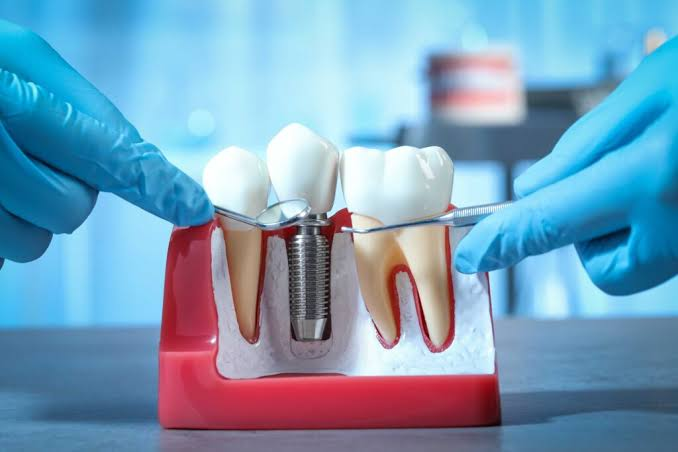
A dental implant is a titanium post that is surgically placed into the jawbone to replace the root of a missing tooth. Once the implant integrates with the bone, it supports a dental crown, bridge, or denture, providing a permanent and stable replacement.
Dental implants are ideal for people who have lost teeth due to:
- Tooth decay
- Gum disease
- Injury or trauma
- Congenital missing teeth
- Tooth extraction
Because implants fuse directly with the jawbone, they help preserve bone density and prevent facial sagging that often occurs after tooth loss.
Step 1: Initial Consultation and Evaluation
The dental implant journey begins with a comprehensive consultation. During this appointment, your dentist or oral surgeon will evaluate your oral health to determine whether you’re a suitable candidate.
The examination typically includes:
- Digital X-rays
- 3D CBCT scans
- Medical history review
- Gum health assessment
- Bone density evaluation
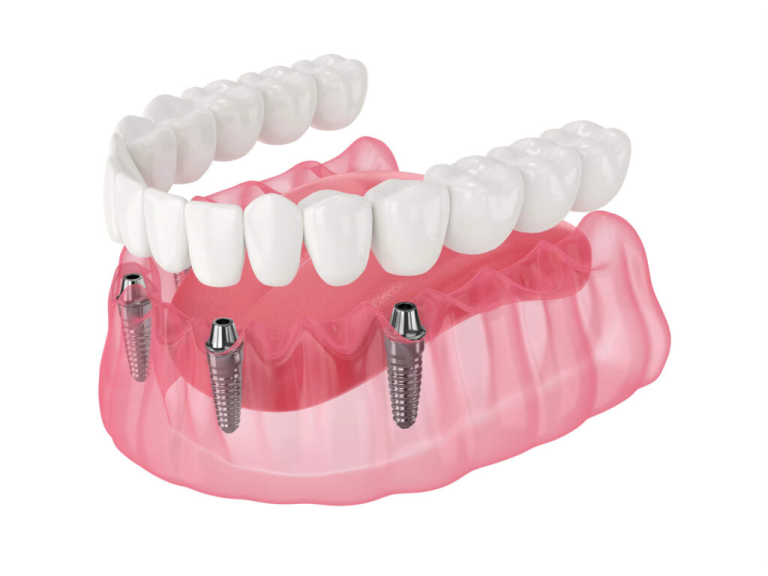
Your dentist will discuss your treatment goals and explain the most appropriate implant option for your situation. Patients missing multiple teeth may be recommended an All On 4 Dental Implant, which replaces an entire arch using only four strategically placed implants.
Step 2: Personalized Treatment Planning
After the examination, a customized treatment plan is created.
Your dentist will determine:
- Number of implants needed
- Implant placement locations
- Need for bone grafting
- Type of restoration
- Estimated treatment timeline
- Recovery expectations
Advanced digital planning software allows dentists to precisely position implants for optimal stability and aesthetics.
Step 3: Tooth Extraction (If Necessary)
If damaged or decayed teeth remain, they may need to be removed before implant placement.
In many cases, extraction and implant placement can occur during the same appointment, reducing overall treatment time.
If infection is present, your dentist may allow the area to heal before proceeding with implant surgery.
Step 4: Bone Grafting (When Required)
Successful implants require sufficient jawbone support.
If the jawbone has deteriorated due to prolonged tooth loss, bone grafting may be recommended.
Bone grafting helps:
- Restore lost bone
- Improve implant stability
- Increase long-term success rates
- Create a stronger foundation
Healing after bone grafting usually takes several months before implant placement.
However, many patients who qualify for All On 4 Dental Implant treatment can avoid extensive bone grafting because the rear implants are placed at carefully angled positions that maximize available bone.
Step 5: Implant Placement Surgery
Once your mouth is ready, the implant surgery is scheduled.
The procedure generally involves:
- Administering local anesthesia or sedation.
- Making a small incision in the gum.
- Preparing the implant site in the jawbone.
- Placing the titanium implant.
- Closing the gum tissue around the implant.
Most implant surgeries take between one and two hours per implant.
Patients typically experience minimal discomfort because modern anesthesia and sedation techniques make the procedure relatively painless.
Step 6: Osseointegration
One of the most important stages is osseointegration.
This is the biological process where the titanium implant naturally fuses with the jawbone.
Osseointegration usually takes between 3 and 6 months, depending on factors such as:
- Bone quality
- Overall health
- Smoking habits
- Oral hygiene
- Implant location
During this period, patients may wear a temporary restoration while the implant heals.
read more : Comprehensive Dental Services for the Whole Family
Step 7: Abutment Placement
Once the implant has fully integrated with the bone, the dentist attaches an abutment.
The abutment is a small connector that joins the implant with the final dental restoration.
The gums are allowed to heal around the abutment for a few weeks before the permanent crown or prosthesis is placed.
Step 8: Final Restoration
The final step involves placing your permanent restoration.
Depending on your treatment plan, this may include:
- Single dental crown
- Implant-supported bridge
- Implant-supported denture
- Full-arch prosthesis
The restoration is custom-designed to match your natural teeth in:
- Shape
- Color
- Size
- Bite alignment
Once completed, patients regain full chewing ability, improved speech, and a natural-looking smile.
Understanding All On 4 Dental Implant Treatment
The All On 4 Dental Implant technique is one of the biggest advancements in full-mouth restoration.
Instead of placing one implant for every missing tooth, this treatment uses only four implants to support an entire upper or lower arch.
The procedure offers several benefits:
- Fewer implants required
- Reduced treatment time
- Often eliminates the need for bone grafting
- Immediate temporary teeth in many cases
- Excellent stability
- Long-lasting results
- Natural appearance
Many patients leave the dental office with functional temporary teeth on the same day as surgery, making this an attractive option for individuals seeking a complete smile transformation.
Recovery After Dental Implant Surgery
Recovery varies depending on the complexity of the procedure.
Common post-operative symptoms include:
- Mild swelling
- Minor bleeding
- Temporary discomfort
- Slight bruising
Most patients return to work within one to three days.
To promote healing, dentists typically recommend:
- Eating soft foods
- Avoiding smoking
- Maintaining excellent oral hygiene
- Using prescribed medications
- Attending follow-up appointments
Complete healing occurs gradually over several months as the implant bonds with the jawbone.
Benefits of Dental Implants
Dental implants offer numerous advantages compared to traditional tooth replacement options.
These include:
- Natural appearance
- Permanent solution
- Improved chewing ability
- Better speech
- Prevention of bone loss
- No slipping or movement
- Easy maintenance
- Long lifespan
- High success rate
- Improved confidence
With proper care, dental implants can last 20 years or more, and many last a lifetime.
Who Is a Good Candidate?
You may be an ideal candidate for dental implants if you:
- Have one or more missing teeth
- Have healthy gums
- Possess adequate jawbone
- Do not smoke heavily
- Practice good oral hygiene
- Are in good overall health
Even if you’ve experienced bone loss, advanced options like All On 4 Dental Implant treatment may still make implants possible.
Caring for Your Dental Implants
Maintaining implants is similar to caring for natural teeth.
Daily care includes:
- Brushing twice daily
- Flossing regularly
- Using an antibacterial mouthwash
- Visiting your dentist for routine cleanings
- Avoiding chewing hard objects like ice
Good oral hygiene significantly increases the lifespan of dental implants.
Potential Risks
Although dental implant success rates exceed 95%, complications can occasionally occur.
Possible risks include:
- Infection
- Implant failure
- Nerve irritation
- Sinus complications (upper jaw)
- Gum inflammation
Choosing an experienced implant dentist and following post-operative instructions greatly minimizes these risks.
Conclusion
Dental implants have transformed modern restorative dentistry by providing a durable, natural-looking, and highly successful solution for missing teeth. Understanding each stage of the dental implant procedure helps patients feel more confident and prepared for treatment.
From the initial consultation to the placement of the final restoration, every step is carefully planned to ensure long-term success. For individuals missing multiple teeth or an entire arch, the All On 4 Dental Implant technique offers an efficient and life-changing solution that restores both function and appearance.
If you’re considering dental implants, consult with a qualified implant dentist to determine the best treatment option for your needs. With proper care and regular dental visits, your new smile can provide decades of comfort, confidence, and improved oral health.