Real Ear Measurement A Personalized Approach to Clearer Hearing
Many people wear hearing aids but still feel that speech sounds unclear or that certain sounds are too loud or too soft. This can be confusing, especially when the hearing aids are brand new. What most first time and even experienced users do not realize is that hearing aids are not truly personalized until they are verified inside the ear.
This is where Real Ear Measurement comes in. It is a simple but powerful process that helps ensure hearing aids are working the way they should for your unique ears.
This blog is written in a patient journey style, so you can clearly understand what Real Ear Measurement is, why it matters, and how it leads to clearer and more comfortable hearing.
The Common Experience Before Real Ear Measurement
Many patients share similar stories.
They say the hearing aids sound fine in the clinic but feel different at home. Conversations may still seem unclear. Background noise may feel overwhelming. Some people stop wearing their hearing aids regularly because they do not feel natural.
This does not mean the hearing aids are poor quality. It usually means they have not been precisely adjusted to how sound behaves inside your ears.
Every ear is shaped differently. Ear canal size, shape and length all affect how sound travels. Real Ear Measurement accounts for these differences.
What Real Ear Measurement Actually Does
Real Ear Measurement is a process that measures how sound from a hearing aid behaves inside your ear canal while you are wearing it.
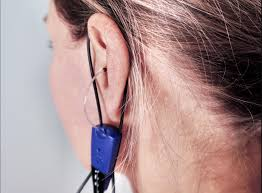
A small microphone is gently placed in the ear along with the hearing aid. The system measures sound levels in real time while speech like sounds are played.
This allows the hearing professional to see exactly how much sound is reaching your eardrum. Based on this information, the hearing aid is adjusted to match your hearing needs more accurately.
Instead of guessing, the provider can see and correct the results instantly.
Why Hearing Aids Need This Level of Precision
Hearing aids are programmed using computer software based on hearing test results. This is a helpful starting point, but it is not enough on its own.
Software assumes an average ear shape. Real ears are never average.
Without Real Ear Measurement, two people with the same hearing test may hear very differently using the same hearing aid settings. This is why some people struggle even with advanced technology.
Real Ear Measurement closes that gap by personalizing sound delivery to your ears.
What the Appointment Feels Like
Many patients worry that Real Ear Measurement might be uncomfortable. In reality, it is simple and painless.
You sit comfortably while sounds are played through a speaker. The microphone is very small and does not cause discomfort. The process usually takes only a few minutes.
During the test, the provider explains what is happening and what the results mean. This education helps patients feel confident and involved in their care.
How Clarity Improves After Real Ear Measurement
One of the most noticeable changes after Real Ear Measurement is improved speech clarity.
Words sound sharper and easier to understand. Voices feel more natural. Background noise becomes more balanced rather than overpowering.
Many patients say listening feels less tiring because they no longer have to strain to follow conversations. This improvement often happens immediately after adjustments are made.
Real Ear Measurement for First Time Hearing Aid Users
For first time users, Real Ear Measurement can make the adjustment period much smoother.
Instead of struggling through weeks of trial and error, sound is optimized early. This builds confidence and helps users wear their hearing aids more consistently.
When early experiences are positive, people are more likely to stick with hearing aids and enjoy the benefits long term.
Why Follow Up Visits Still Matter
Even after Real Ear Measurement, follow up visits are important.
As you get used to hearing aids, your brain adapts to sound. Feedback from your daily listening experiences helps fine tune settings further.
Real Ear Measurement can be repeated if hearing changes or if a different hearing aid is introduced. It remains a valuable tool throughout your hearing care journey.
A More Accurate Standard of Care
Real Ear Measurement is widely considered a best practice in hearing aid fitting. It removes guesswork and replaces it with real data from your ears.
Not every clinic performs this verification, but those that do are focused on accuracy, transparency, and patient outcomes rather than quick fittings.
For patients, this means better results and fewer frustrations.
How It Supports Long Term Hearing Success
Hearing aids work best when they are comfortable, clear, and reliable. Real Ear Measurement supports all three.
By ensuring sound levels are correct, it helps protect hearing while maximizing benefit. It also reduces the need for frequent readjustments caused by poor initial fitting.
This leads to greater satisfaction and long term use.
Conclusion
Clear hearing is not just about owning hearing aids. It is about making sure they are truly working for you.
Real Ear Measurement offers a personalized approach by measuring sound directly in your ears and adjusting hearing aids based on real results, not assumptions. This process improves clarity, comfort, and confidence for both first time and experienced users.
read more : https://healthhubin.com/
Choosing an audiology centre that provides Real Ear Measurement ensures your hearing care is accurate, personalized, and focused on real world listening needs. With the right support, hearing aids can deliver clearer sound and a more comfortable listening experience every day.